At the start of 2026, I had just turned 20, had just finished junior college, and was completely lost with no sense of direction. That's when I first came across cutting-edge large models like ChatGPT and Claude. The impact was very real — it felt like I could suddenly see where this era was heading, and for the first time I thought maybe I could head that way too.
So I spent two months getting my hands dirty. I used AI to build a few web pages and a few so-called Agent projects, and taught myself some basic Python. The moment I actually made something, my confidence went through the roof — I even had this strange, unshakable certainty. I made a decision: go to Shanghai and find a job related to AI.
But I overestimated myself. Once I got to Shanghai, I found out I had almost no real knowledge to draw on, and nothing you could call professional skills. All I could do was use AI for "vibe coding" — going on feel, throwing together a few prompts, and piecing together things that looked like they ran but were actually pretty useless. How was someone like me supposed to compete with people who had strong degrees and real skills? The result wasn't surprising: my job search in Shanghai failed, and I couldn't land a single job in AI or tech.
But it made me realize something about myself: the way I was using AI was wrong. I relied on AI way too much, and AI gave me an illusion. It's so strong that it had me believing its abilities were mine. Only once I calmed down did I understand: the tool is what's actually impressive, and me — I'm just someone sitting in front of it, typing.
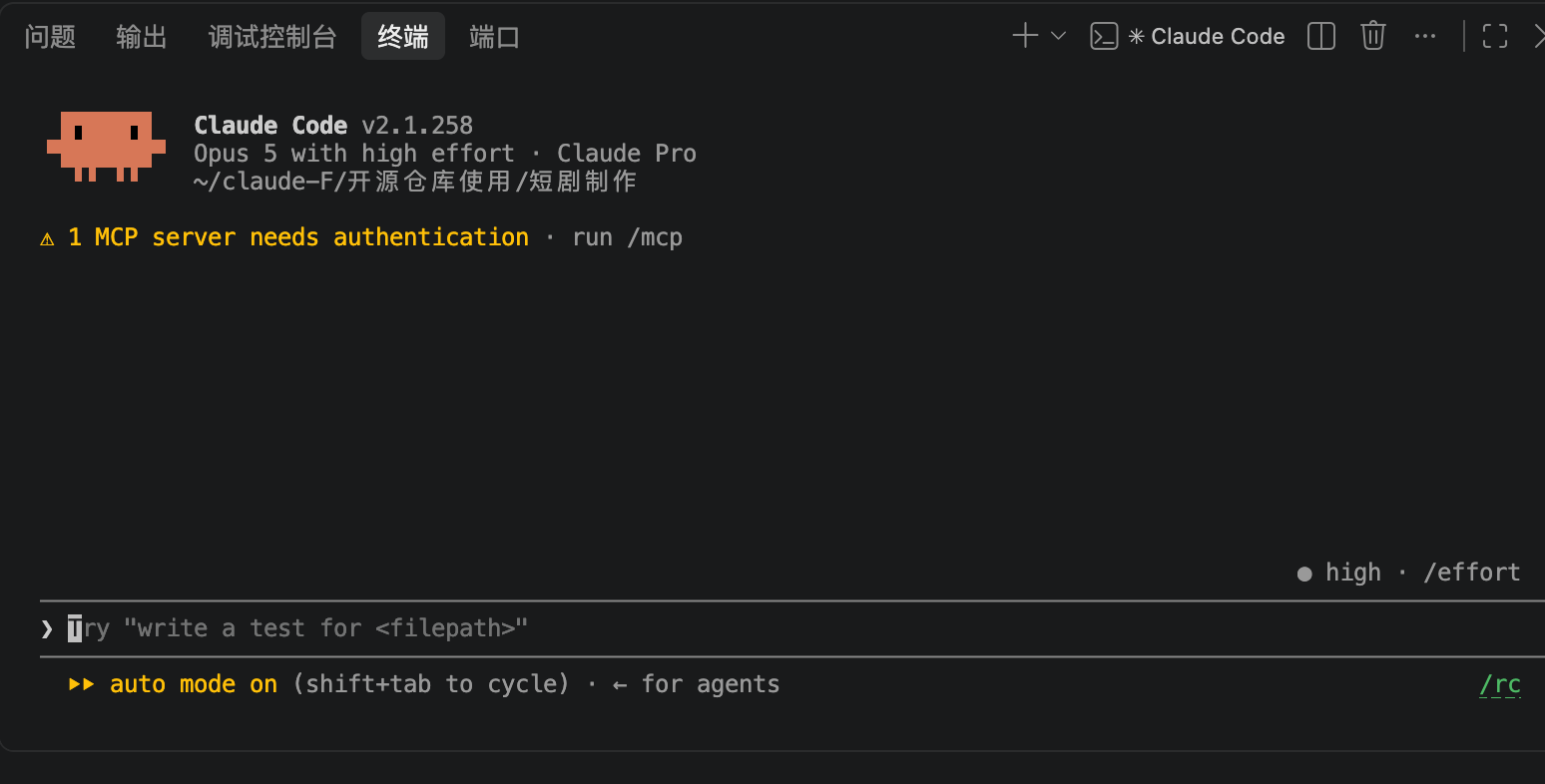
Thinking back, the way I went about vibe coding was kind of funny. I was always hoping a few sentences would get AI to spit out a perfect web page; the moment it didn't do a good job, my first reaction was to complain "this model is no good." But looking back now, the problem was never the model — it was me. I wanted so badly to hand everything off to it, as if having AI meant I could stop using my brain. That was really an urge to give up on thinking.
Meanwhile, in the stuff I was scrolling through, I saw a different group of people: students of fifteen or sixteen using the same models to build really polished projects and really good-looking frontends; and experts in the open-source community treating AI as a handy tool for solving real problems. That gave me my confidence back — I can definitely use AI in ways that actually help me. Right now I'm having AI help me study more efficiently, and working on ways to improve myself. So I'm still me, but the way I use AI has changed.
Always believe in yourself.